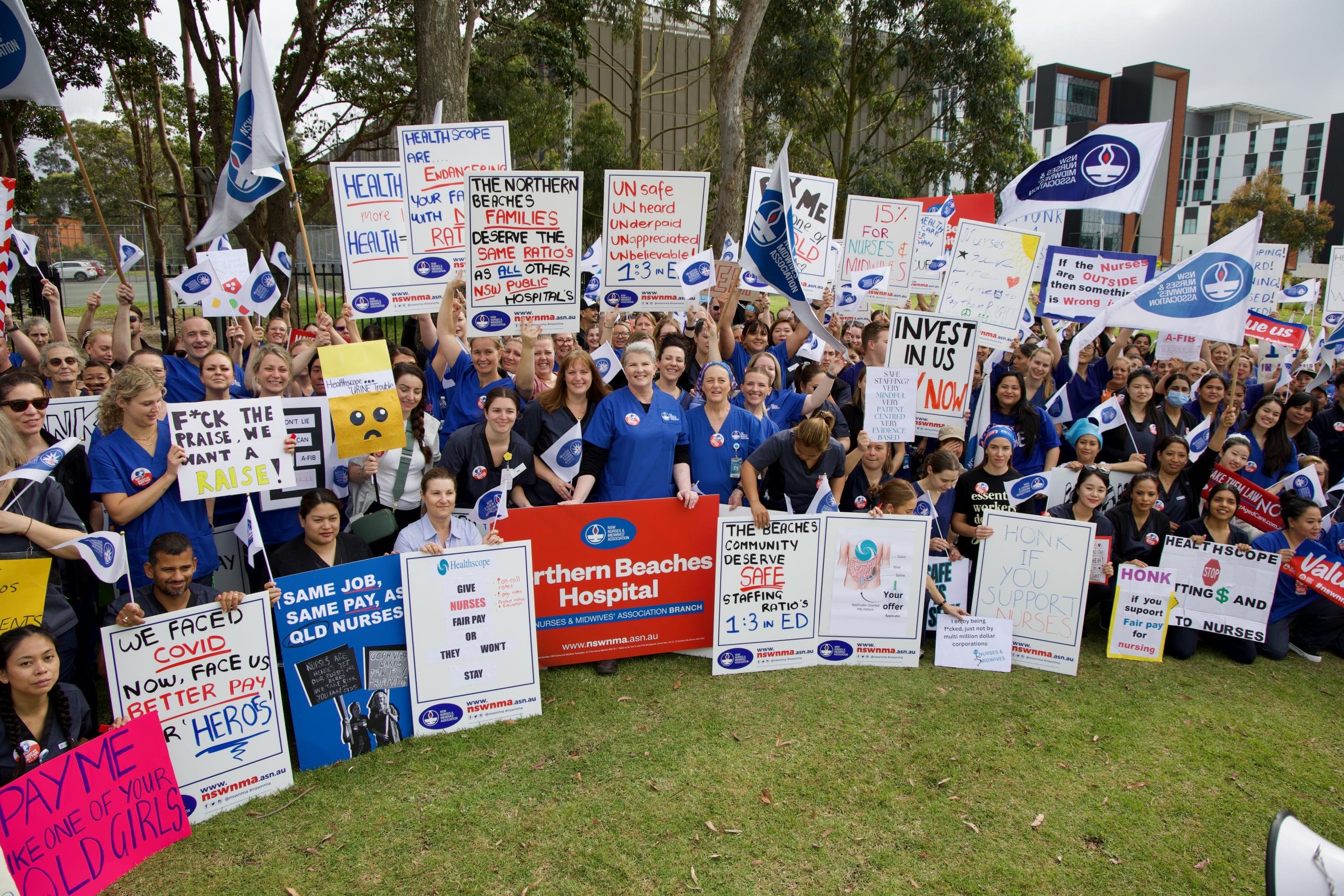

The NSW Nurses and Midwives’ Association (NSWNMA) has called for urgent investment in our hospitals and healthcare workers, in the wake of unprecedented pressure on emergency departments (ED) and wards.
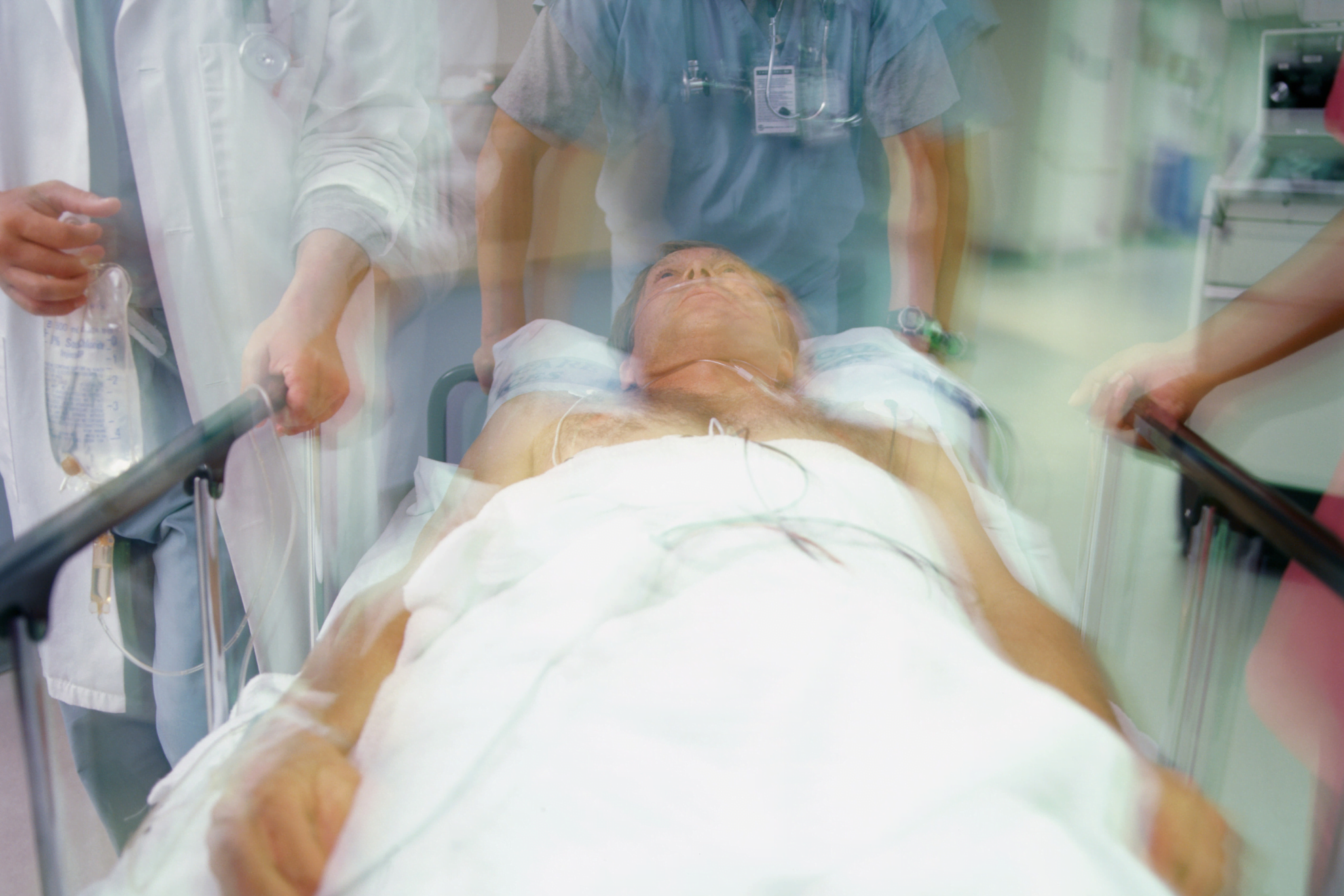
The Bureau of Health Information’s (BHI) latest Healthcare Quarterly data shows a record amount of presentations for the most acutely unwell patients during July to September, while the volume of admitted patients also reached unprecedented levels.
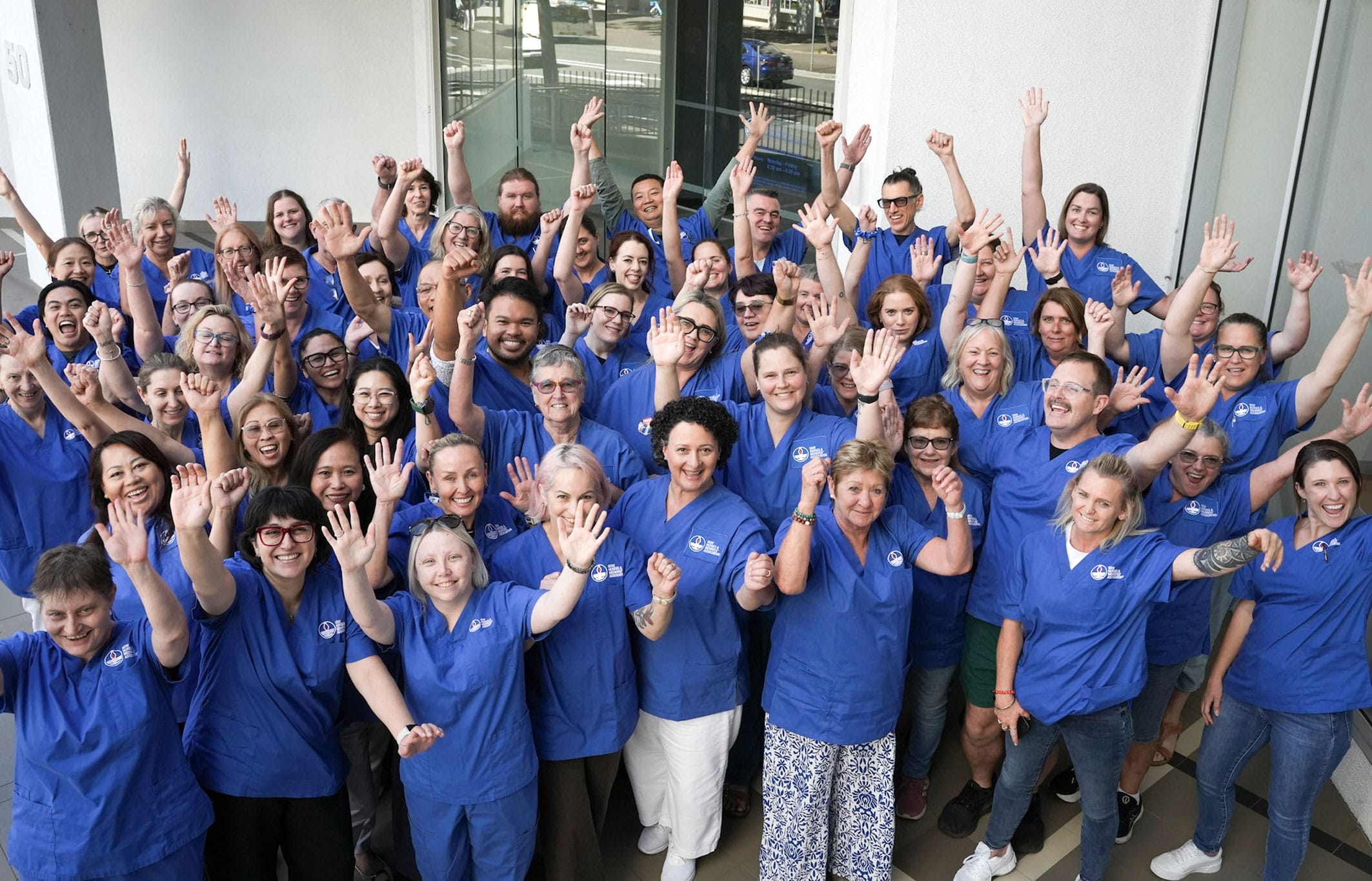
NSWNMA General Secretary, Shaye Candish, said the BHI data demonstrated nurses and midwives worked increasingly harder with limited resources.
“Triage one, two and three presentations in the ED have increased considerably this quarter, highlighting the rise in patient acuity our members are experiencing on a daily basis. Alarmingly, more than 73,000 people left without, or before, completing treatment as well,” said Ms Candish.
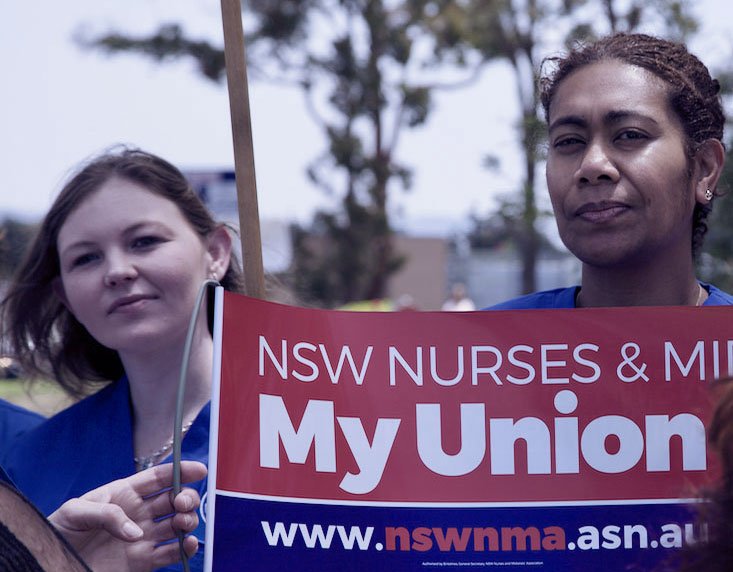
“The complex, and often invisible skills, nurses and midwives are expected to have in their toolkit has dramatically changed. This is a key component of our argument in the union’s historic legal case which is hearing closing submissions in the Industrial Relations Commission this week.
“As part of our landmark case, we’ve put a claim for a 35% pay increase over three years. We hope the decision corrects the long-standing gender undervaluation we know has occurred and compensates for the complexities and changes experienced in nursing and midwifery over the last two decades.
“We are pleased the rollout of nurse-to-patient ratios is continuing in EDs across the state, after years of campaigning by the Association. As our EDs get busier, staffing ratios will be crucial to keep both staff and patients safe and ensure quality care can be provided.”
NSWNMA Assistant General Secretary, Michael Whaites, said more investment in our public healthcare system was desperately needed.
“The BHI data shows there are still almost 95,000 patients on the elective surgery waitlist. In order to bring these down permanently, we must see the federal government contribute more funding to the states – they can’t do it alone,” said Mr Whaites.
“We are seeing extreme bed block across hospitals because of patients awaiting places in residential aged care. We’ve provided the NSW government a solution to this, one that will reduce costs over time. It is a solution that the federal and state governments could, and should, work on together.
“This would help to reduce bed block and provide more permanent, efficient and appropriate accommodation for hundreds of elderly patients currently occupying hospital beds. Until this is addressed, our hospitals and healthcare workers will continue to operate under increasing pressures that we see through the latest BHI data.”